Crisis of opportunity
The UK is facing a crisis of opportunity. Almost a million young people are currently not in education, employment, or training, and youth unemployment is rising, reaching levels not seen in years. Employers are freezing hiring plans, and unemployment has climbed to a four-year high, with 100,000 jobs lost in the past year alone. Beneath these headline statistics lie deeper structural problems: millions of working-age adults are economically inactive, and long-term ill-health, including mental health, is preventing young people from fulfilling their potential.
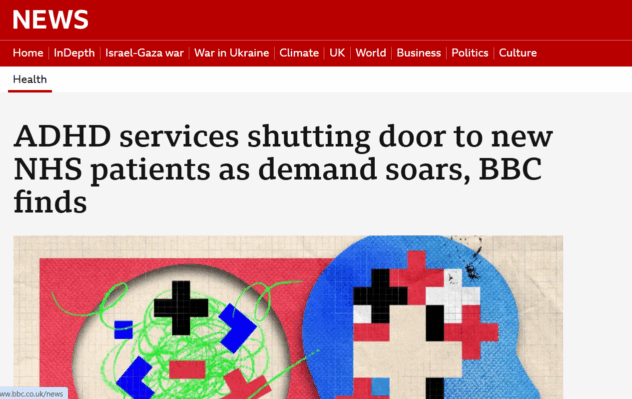
Among those affected, neurodivergent young people and those with learning disabilities are being hit hardest. For young adults, ADHD assessments in England now take an average of eight years, leaving thousands without the understanding, support, and interventions they need to thrive. “Every young person delayed in accessing ADHD support is a young person whose potential is being wasted,” says Rosie, Chief Operating Officer of The Mason Foundation.
Employment for people with learning disabilities remains alarmingly low. Around 5% are in paid work, despite 86% expressing a desire to work. One survey in 2024 found just 29% in paid employment – far below the 53% rate for all disabled people and the 75% rate for non-disabled people. These figures underline a systemic failure to unlock talent, confidence, and contribution.
Propel: Creating Inclusive Pathways to Work
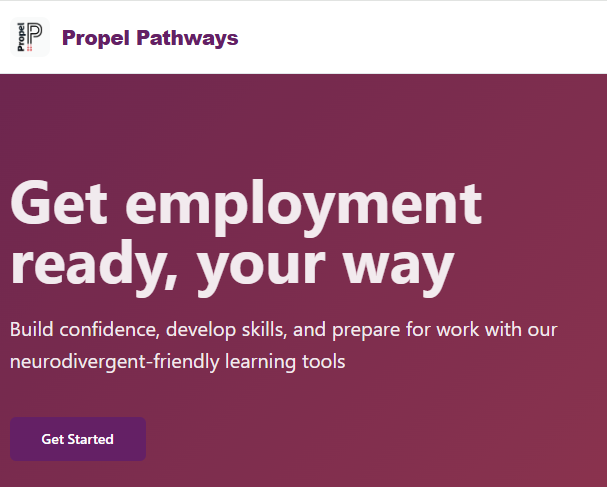
The Mason Foundation’s Propel programme is addressing this gap. Propel supports neurodivergent young people and those with learning disabilities to access meaningful work, build confidence, and develop the skills employers need. By connecting education, youth settings, and employers, Propel creates inclusive pathways to employment, offering work experience, ongoing guidance, and long-term support.
However, no programme, however well designed, can fully compensate for the lack of timely ADHD diagnosis and systemic support. Right to Choose has helped some access assessment services, but it is not a sustainable solution. ADHD support must be treated as essential infrastructure, not an optional extra.
“The UK cannot talk seriously about skills, productivity, or economic recovery while thousands of young people are waiting years just to understand how their own brains work,” Rosie adds. “If we want a truly inclusive workforce and society, urgent action is needed from both government and business. Every young person denied support is a future lost — and that is a cost the country cannot afford to pay.”
The cost of inaction
The evidence is clear: the cost of inaction is too high, both for individuals and the economy. By investing in ADHD support, inclusive employment, and targeted programmes like Propel, the UK can start to unlock the talents of millions of young people currently sidelined by a system that has failed to keep pace. It’s not just about fairness — it’s about economic sense, social impact, and national opportunity.